Services

Allied Health Assistants (AHA)

At Little People Therapies, our Allied Health Assistants (AHAs) play a vital role in supporting children and families to achieve meaningful, consistent progress across everyday life.

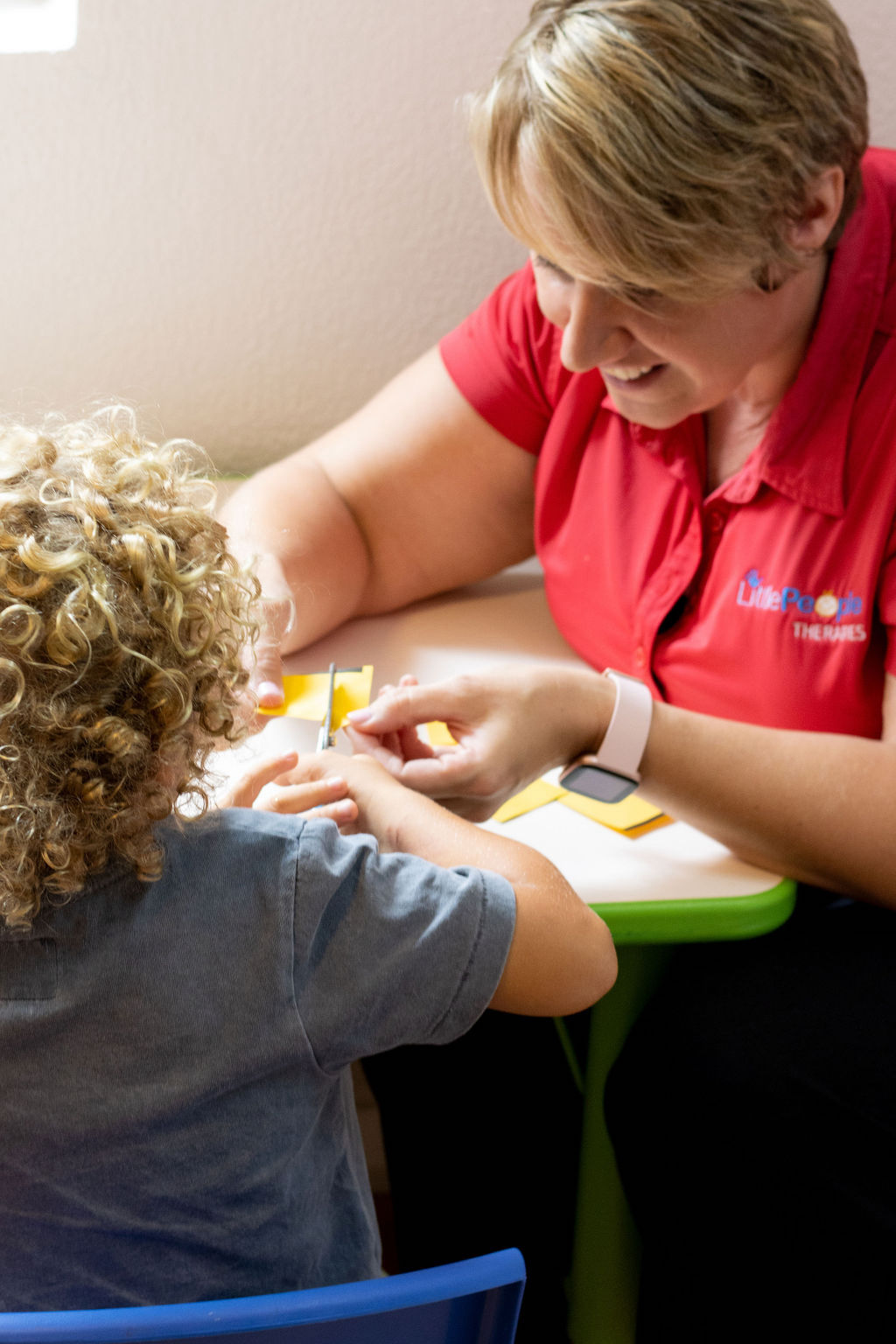
AHAs work alongside children and families to support the implementation of therapy programs within real-world environments, helping ensure skills are practised, reinforced, and embedded into daily routines. This role is central to continuity of care and strengthening the impact of therapy across home, education, and community settings.

All AHA support is delivered under the clinical supervision and direction of a qualified allied health professional.

What Allied Health Assistants Support

Our Allied Health Assistants may support children with:

  • Implementation of therapy programs developed by allied health professionals
  • Functional communication support, including modelling, prompting, and reinforcing communication strategies identified within the child’s therapy plan
  • Supporting the use of communication systems such as AAC, visual supports, keyword sign, gestures, and routines-based communication supports (as directed)
  • Encouraging interaction, attention, and engagement through play and everyday activities
  • Practice and generalisation of communication goals across home, early learning, school, and community environments
  • Participation in daily routines and environments that support connection, inclusion, and independence

AHAs focus on supporting how communication and other skills are practised in everyday contexts, rather than assessment, diagnosis, or program design.

Supporting Families and Teams

Allied Health Assistants work closely with families and educators to provide practical, consistent support that fits naturally into daily routines.

They maintain regular communication with supervising clinicians to ensure strategies remain aligned with the child’s broader therapy goals and support plan.

AHA and the NDIS

Allied Health Assistant support aligns with NDIS Capacity Building goals related to communication, participation, independence, and skill development. AHA services provide a cost-effective way to support consistent implementation of communication strategies and developmental goals between therapy sessions.